Ultra-Processed Foods: The Modern Trap
May 15, 2026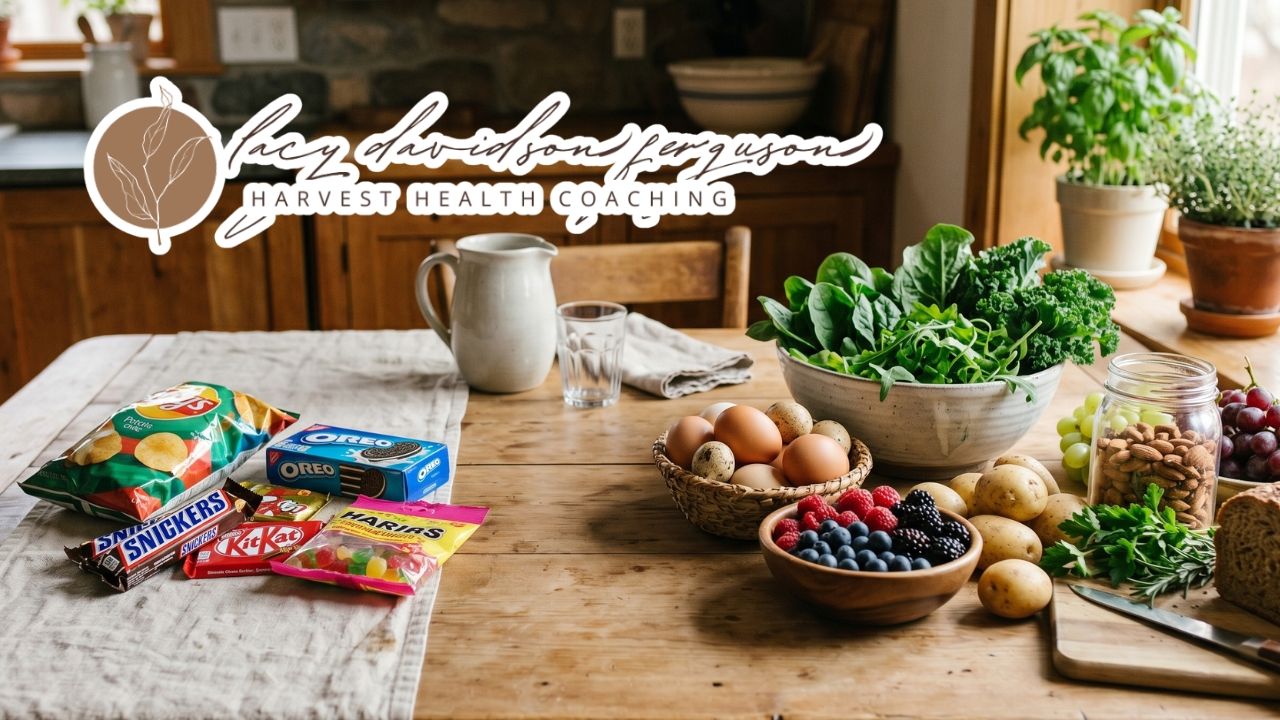
Ultra-Processed Foods: The Modern Trap
You can walk through nearly any grocery store today and find shelves packed with foods designed to be fast, cheap, convenient, and hard to stop eating.
Bright packages. Long ingredient lists. Foods that barely resemble the ingredients they once came from.
And for many people, these foods have quietly become normal.
Breakfast bars on the way out the door. Frozen dinners after long workdays. Protein chips, flavored yogurts, drive-thru meals, energy drinks, packaged snacks sitting beside every checkout line.
It is easy to assume this is simply how modern life works.
But the body often tells a different story.
Fatigue after meals. Constant cravings. Brain fog. Energy crashes. Feeling hungry even after eating.
Many people blame themselves for these patterns.
But often, the issue is not a lack of discipline.
It is the type of fuel the body is receiving.
What Are Ultra-Processed Foods?
Ultra-processed foods are products that have been heavily altered from their original form.
They often contain refined oils, added sugars, artificial flavors, preservatives, emulsifiers, dyes, stabilizers, and ingredients that would rarely exist in a home kitchen.
This goes beyond simply cooking or preserving food.
Freezing vegetables is processing. Grinding oats into oatmeal is processing. Making yogurt or sourdough bread involves processing too.
But ultra-processing is different.
The goal is often shelf life, convenience, hyper-palatability, and repeat consumption.
These foods are engineered to keep you coming back for more.
And the body notices.
Why These Foods Affect You So Deeply
One of the biggest problems with ultra-processed foods is how quickly they move through the body.
Many are low in fiber and protein while being high in refined carbohydrates and industrial fats.
That combination creates quick spikes in blood sugar followed by rapid drops in energy.
So you eat again.
And then again.
The cycle becomes exhausting.
You are not weak for craving foods that were scientifically designed to override normal fullness signals.
This is not failure.
It is feedback.
Ultra-processed foods also tend to displace the very nutrients your body depends on to function well.
Magnesium. Potassium. Omega-3 fats. B vitamins. Protein. Fiber.
The body can be overfed and undernourished at the same time.
And that is exactly where many people find themselves today.
The Convenience Problem
To be fair, convenience matters.
People are busy. Parents are exhausted. Schedules are full. Many families are trying to stretch both time and money.
Ultra-processed foods succeed because they solve an immediate problem.
They are fast.
But over time, the tradeoff often becomes clear.
More cravings. Less stable energy. Poor sleep. Digestive issues. Metabolic strain.
The body was never designed to thrive on synthetic food-like substances day after day.
Real Food Works Differently
Real food tends to slow things down in the best possible way.
Eggs cooked in butter. Roasted potatoes with sea salt. Fresh berries. Soup simmering on the stove. Ground beef tacos on corn tortillas with avocado and cabbage. Homemade sourdough with a pot of stew.
These foods provide nourishment the body recognizes.
Protein helps stabilize energy.
Healthy fats support hormones and fullness.
Fiber supports digestion and blood sugar balance.
Meals become more satisfying because the body is actually being fed.
Not just stimulated.
And something interesting happens when people begin eating more real food consistently.
Cravings often soften naturally.
Not overnight. Not perfectly.
But steadily.
A Simple Place to Start
You do not need to throw everything away and overhaul your entire kitchen tomorrow.
Start small.
Maybe breakfast shifts from a packaged pastry to eggs and fruit.
Maybe one dinner this week comes from simple ingredients instead of a drive-thru.
Maybe you start reading ingredient labels and asking a simple question:
Does this still resemble real food?
Progress matters more than perfection.
A Grounded Reminder
Your body is not asking for perfection.
It is asking for nourishment.
And often, the more real food you give it, the quieter things become.
Steadier energy. More consistent hunger signals. Clearer thinking. Less chaos around food.
Simple food will never compete with billion-dollar marketing campaigns.
But your body still knows the difference.