What to Eat When You Don’t Want to Overthink It
May 19, 2026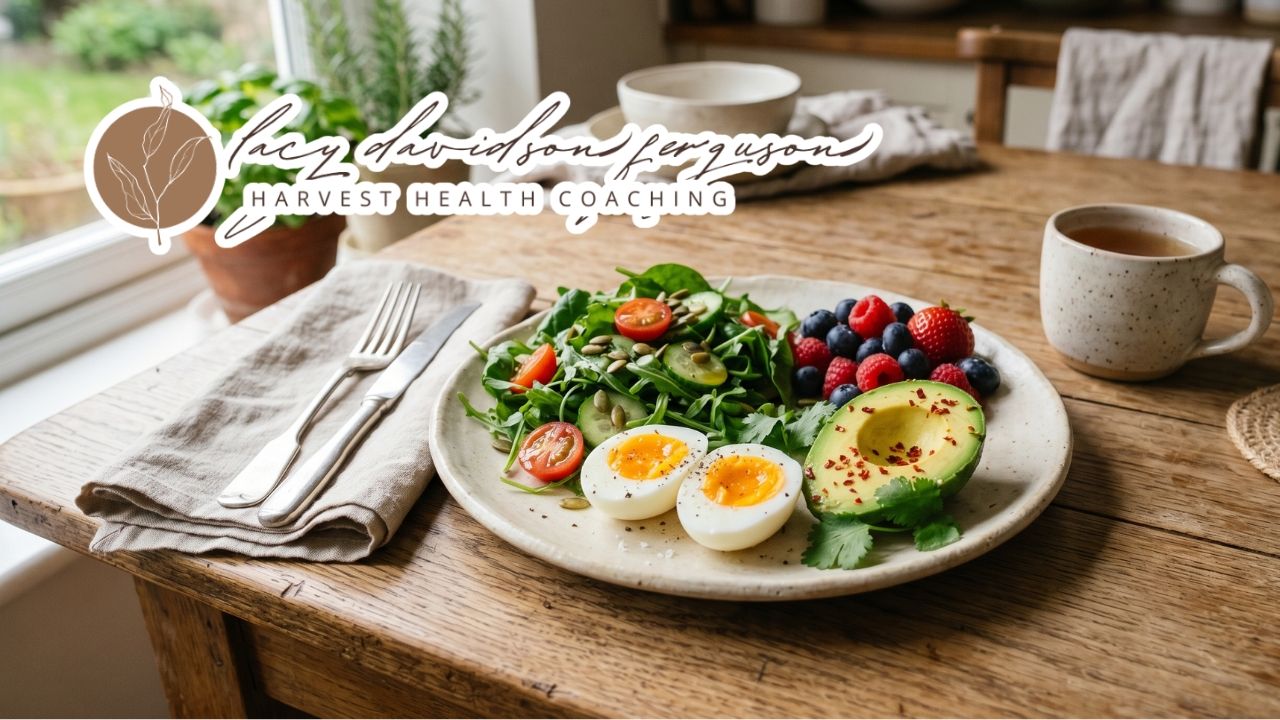
What to Eat When You Don’t Want to Overthink It
Some days, food feels exhausting before you even start.
You stand in front of the refrigerator staring at ingredients that technically could become a meal, but nothing sounds good. Recipes feel overwhelming. Cooking feels like one more thing your brain has to manage.
So you snack instead.
A little here. A little there. Maybe something quick from a package because it feels easier.
But a few hours later, you still don’t feel satisfied.
This happens to a lot of people, especially when life feels busy, stressful, or mentally heavy.
And often, the problem is not that you don’t know what healthy food looks like.
The problem is decision fatigue.
You’re trying to make food choices while already depleted.
That is where simple meals matter.
You Do Not Need a Perfect Meal
A lot of people overcomplicate nourishment because wellness culture has made food feel like a full-time job.
Too many rules. Too many ingredients. Too many conflicting opinions.
But your body does not need perfection to feel supported.
It needs consistency.
A meal does not have to be impressive to be nourishing.
Sometimes the best thing you can do is stop trying to optimize every bite and simply build a meal that helps you feel steady.
A Simple Formula That Helps
When you don’t want to overthink food, come back to three things:
Protein. Fat. Fiber.
That combination helps support steadier energy, fuller meals, and fewer cravings later.
It can be incredibly simple.
Eggs and fruit. Greek yogurt with nuts and berries. Ground beef with roasted vegetables. A turkey sandwich on good bread with avocado. Chicken and rice with olive oil and greens. Cottage cheese with apples and cinnamon.
Not fancy.
Just supportive.
You don’t need fifteen ingredients or a complicated recipe for your body to benefit.
What Happens When You Under-Fuel
A lot of grazing and emotional eating starts with not eating enough real food earlier in the day.
Coffee becomes breakfast.
A protein bar becomes lunch.
Then nighttime cravings arrive and suddenly you feel out of control around food.
But this is often physiology, not failure.
Your body is trying to catch up.
You don’t lack discipline.
You lack adequate fuel.
That is a very different problem.
Create Default Meals
One of the easiest ways to reduce food stress is to stop reinventing meals every day.
Create a few simple meals you can repeat regularly.
Think of them as your defaults.
Meals that taste good, feel easy, keep you full, and require little mental energy.
This might look like eggs and sourdough every morning, a protein bowl for lunch, taco salads a few nights a week, rotisserie chicken with frozen vegetables, or smoothies with protein, fat, and fiber.
Simple meals create stability.
And stability helps everything else feel easier too.
A Grounded Reminder
You do not need to earn nourishment by being organized, productive, or perfect.
Your body still needs support on messy days.
In fact, those are often the days it needs it most.
Sometimes the healthiest meal is simply the one that helps you stop overthinking and start fueling yourself consistently.